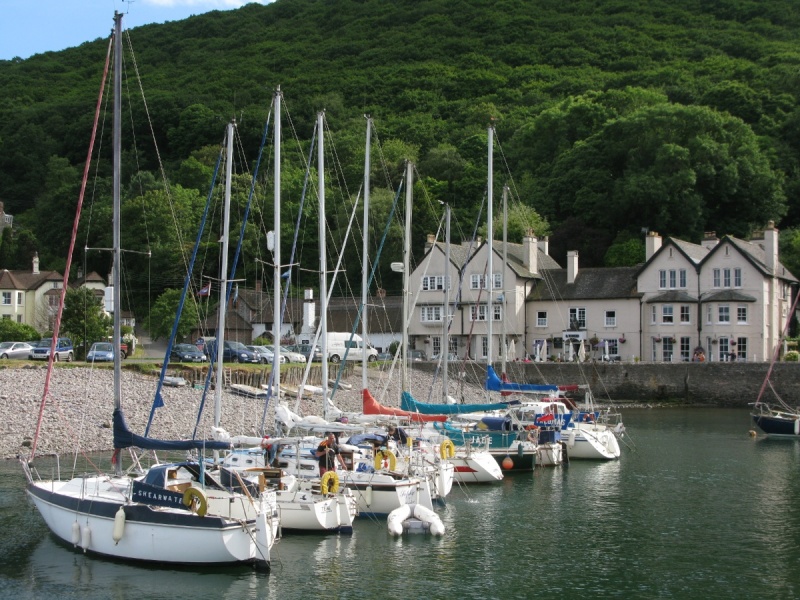
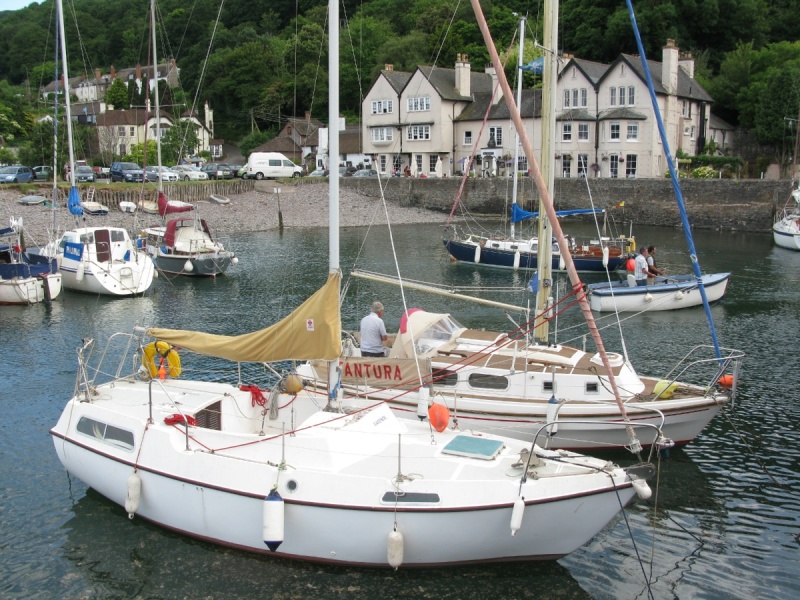
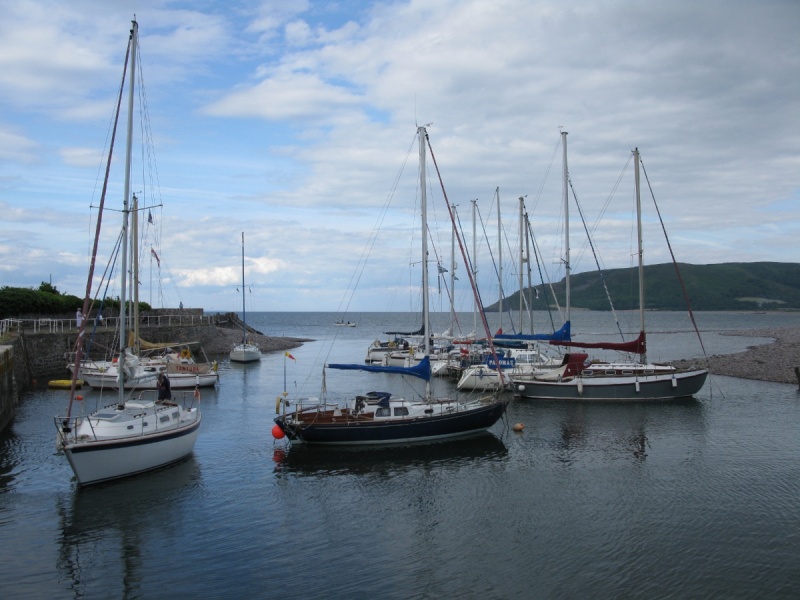
Porlock Weir Harbour, Porlock Weir, Exmoor National Park
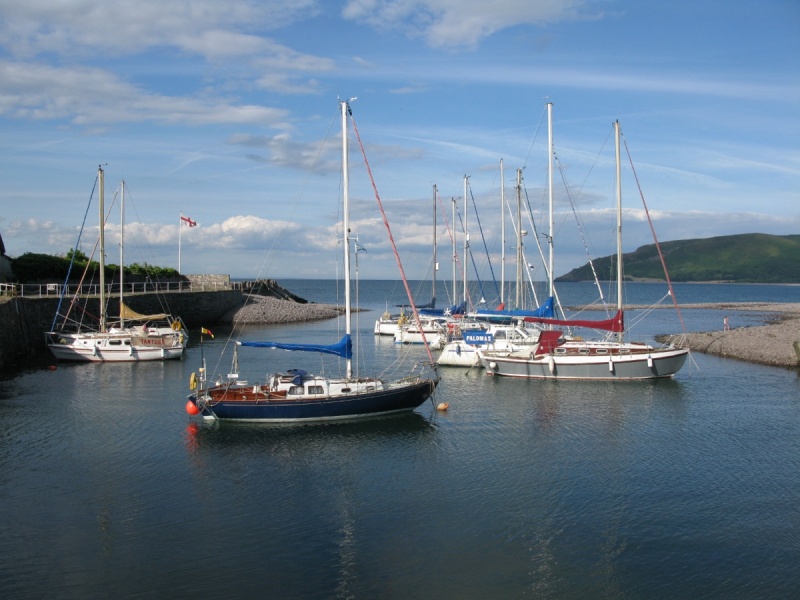
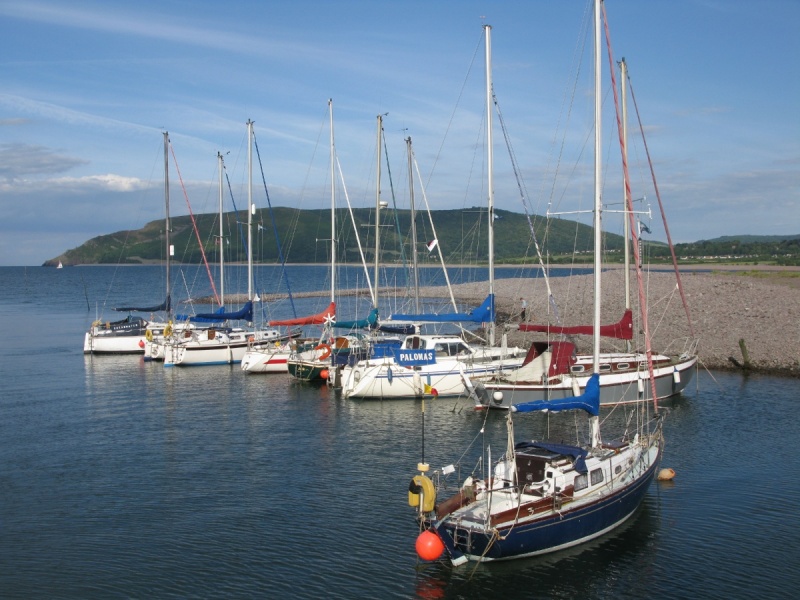
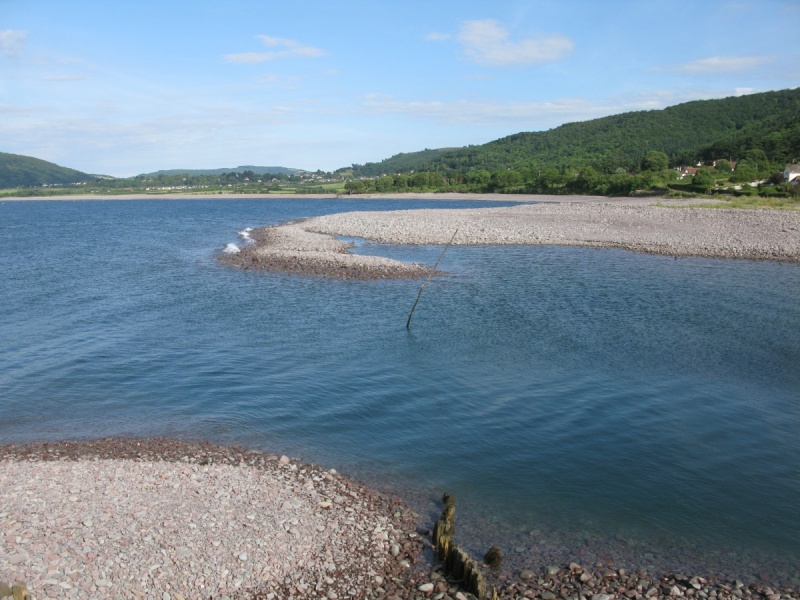
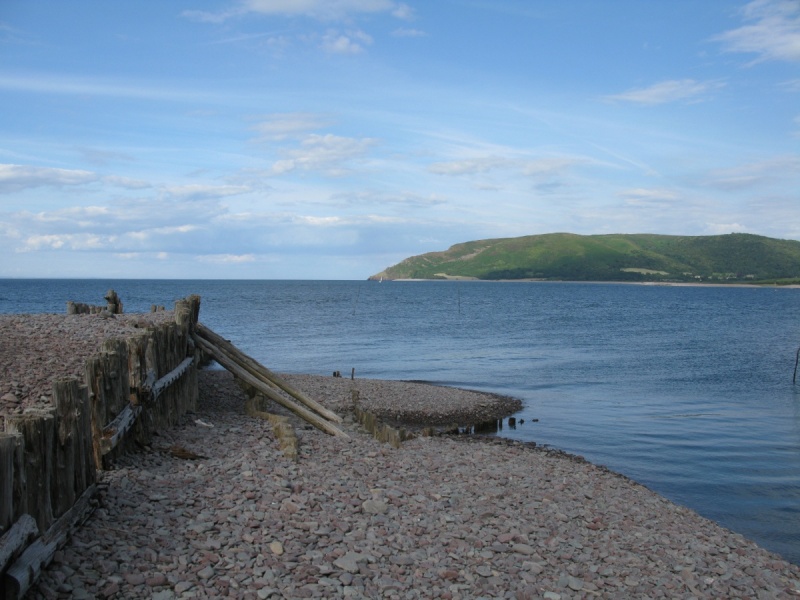
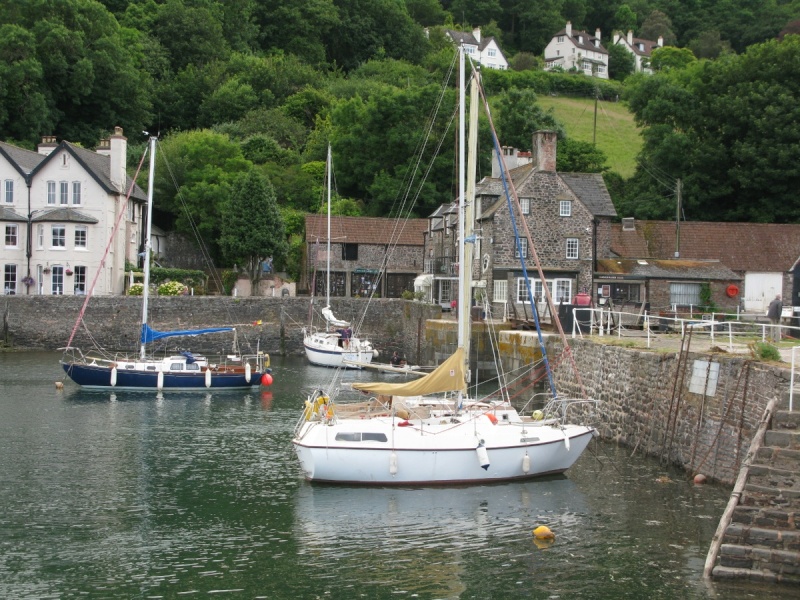
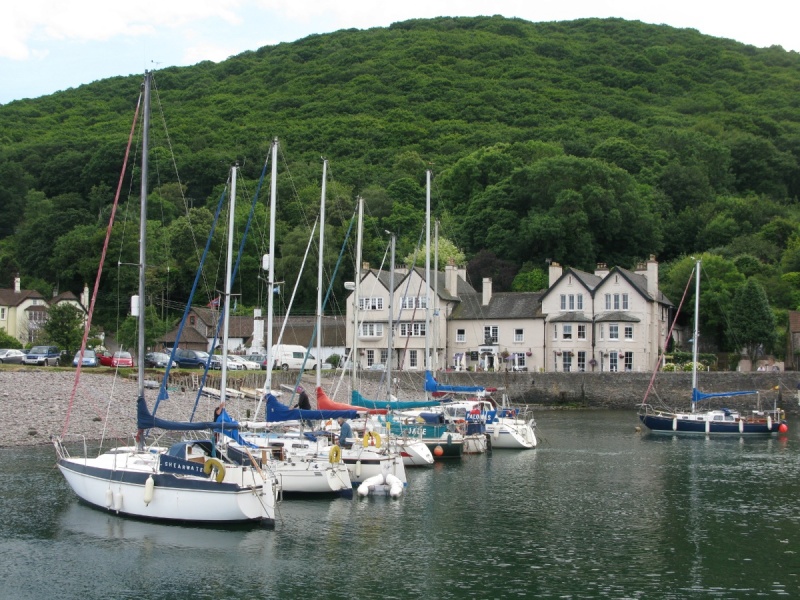
[Main photo: Porlock Weir Harbour looking across Porlock Bay to Bossington Hill]
Porlock Weir Harbour
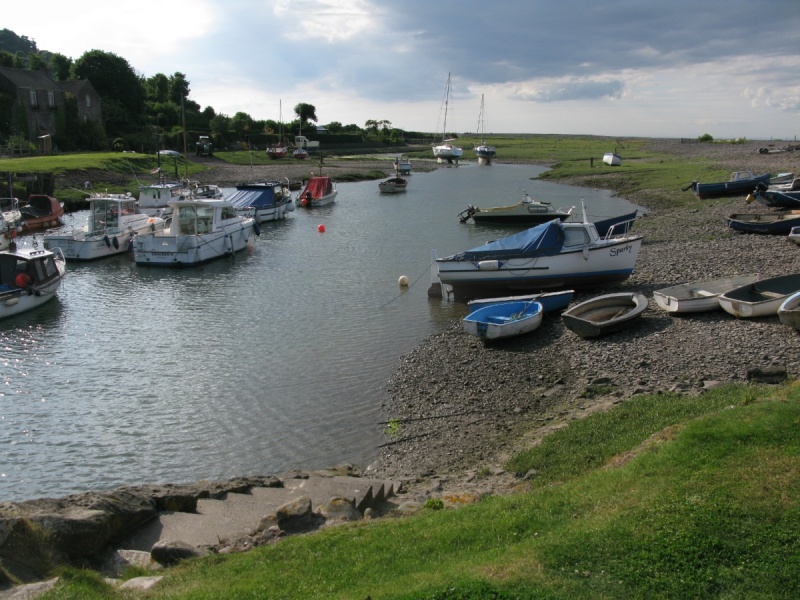
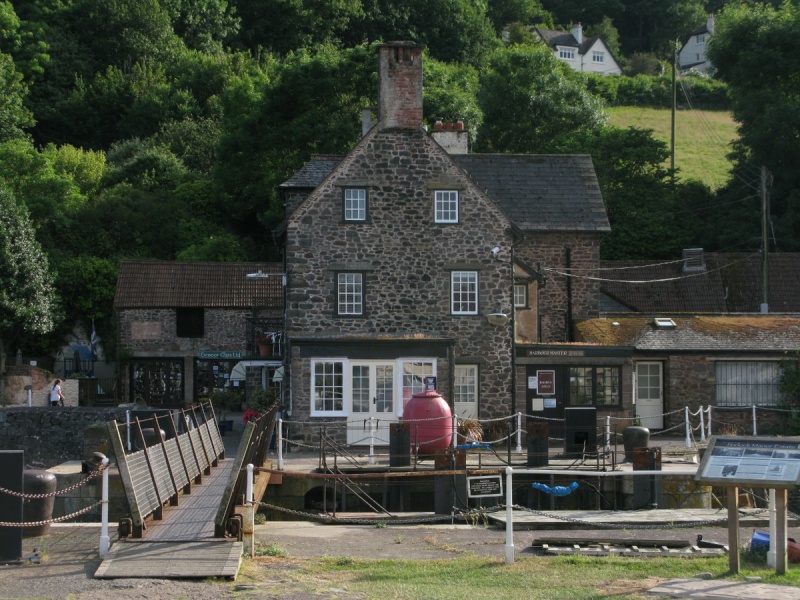
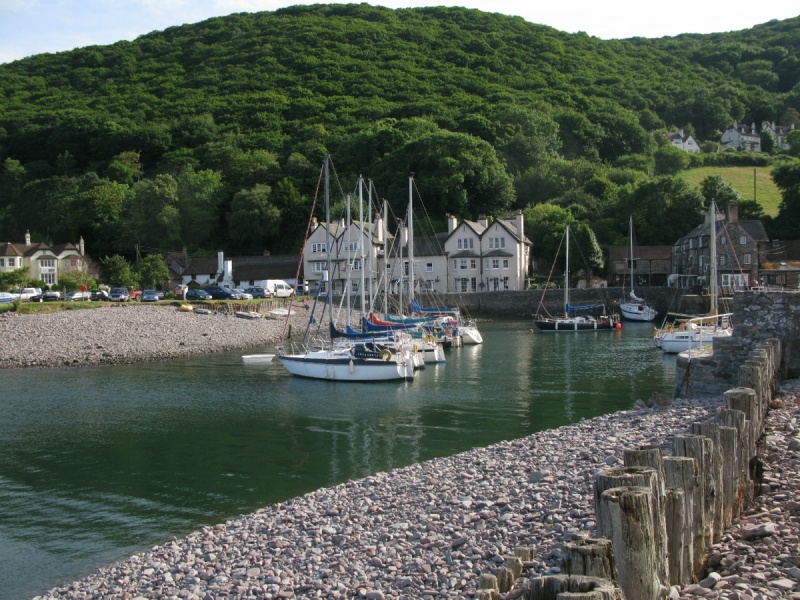
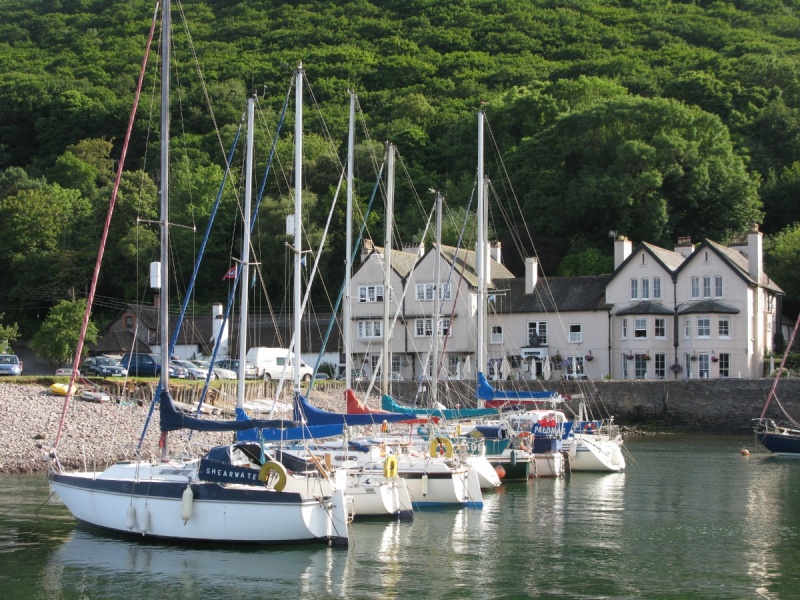
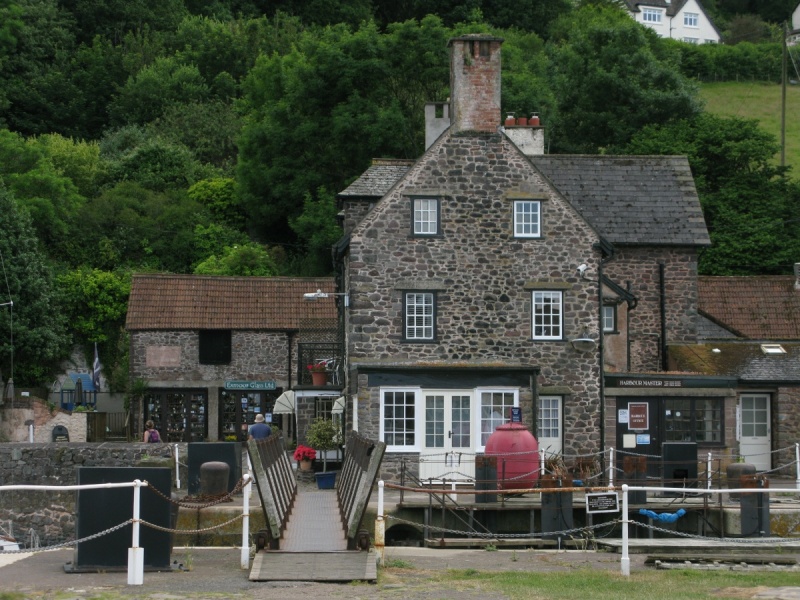
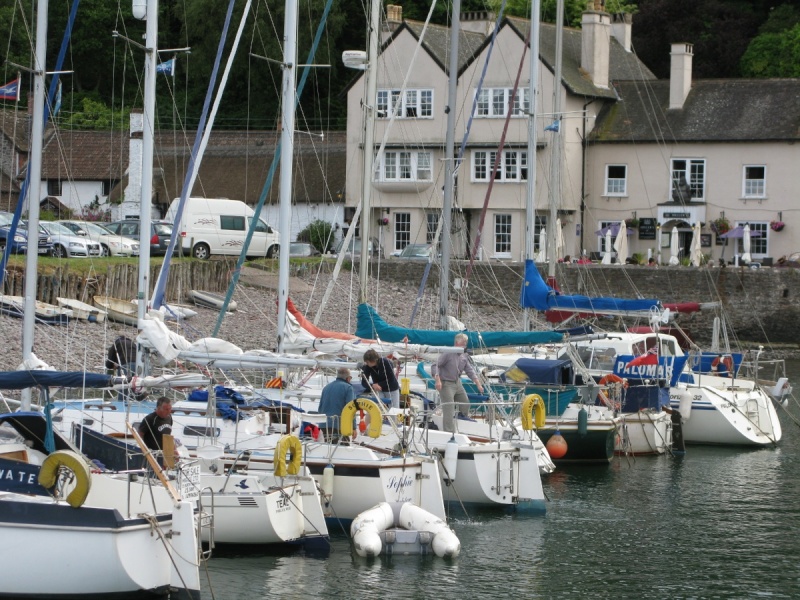
Beautiful harbour in the very popular coastal village Porlock Weir overlooking Porlock Bay. Porlock Weir Hotel and The Bottom Ship Inn sit behind the harbour. Porlock Beach is to the east. The Gore and Gore Point are to the west. The South West Coast Path runs behind Porlock Weir Harbour. Worthy Wood rises above. The long distance path the Coleridge Way passes through Worthy Wood. Look out for Porlock Weir Submarine Forest at low tide (see below for more information).
Location of Porlock Weir Harbour
The harbour is on the western side of Porlock Bay and the focal point of the popular and beautiful coastal village Porlock Weir.
We’ve positioned Porlock Weir Harbour on Google maps. Zoom in on the ‘Satellite’ setting to see its location.
Directions to, and parking at, Porlock Weir Harbour
Follow the A39 to Porlock and the B3225 for Porlock Weir.
There’s a reasonably large car park at Porlock Weir by The Bottom Ship Inn, Porlock Weir Harbour and Porlock Weir Hotel.
Porlock Weir Harbour
‘Lying within the attractive Parish of Porlock, Porlock Weir with its whitewashed cottages, ancient inn and stone quay has a most picturesque setting. Although the tidal harbour now provides shelter only for pleasure craft, in the past cargoes including limestone, coal, timber and produce were shipped to and from South Wales and beyond.’ (Source: information board at Porlock Weir car park.)
Porlock Weir is within Porlock Manor Estate. ‘The Estate. The Porlock Manor Estate includes the harbour and little cottages, many of which are let to people who have worked in the local area. The Blathwayt family have looked after the Estate since 1686, when Mary Wynter married William Blathwayt who acted as Secretary of State to William III.
Porlock Weir. Porlock Weir has been a small port for hundreds of years. The inhabitants being mainly fishing families. Many of the men built their own boats, usually about 20 ft in length.
Harbour. The harbour has gradually improved over the years, there was a need for a wooden break-water to protect it from the westerly gales, and the dock-gate and sluice-tunnel to keep the harbour free of stones. The present dock-gates replaced the older ones in 1913. A harbour master was employed to see the boats in safely and keep a check on harbour dues, and the post remains today. During 2010 the harbour gates were restored to operation by the Porlock Manor Estate with financial support from The Exmoor National Park Sustainable Fund, provided by Defra. The purpose of the gates is to hold back the tidal water in the pool and enable the channel to be flushed clear of stones deposited by the easterly tidal drift. Today the harbour remains important to Porlock Weir as a base for leisure craft and local fishing.
Fishing. Apart from the long line fishing the main catches were the drift nets for herring in the autumn; thousands would be landed, sold to ‘Jouders’ (dealers) for distribution around the local villages, many were salted in barrels to last all the winter. Another form of fishing was from fishing weirs. Those fish weirs which survive are roughly rectangular in shape; the corners pointing out to sea would have had nets to catch fish as the tide dropped. Fish including pollock, sprats, shrimps, bass and even salmon would be trapped in the pond and caught in the netting as the tide went out. This form of fishing dates from the middle ages. There was also a good trade in oysters which were dredged in the bay.
Trade. The main trade in the 18th-19th century was exporting flour and corn, bark for tanning, bricks, pit props for the Welsh coal mines and oysters to Bristol. Imports were groceries, salt, limestone for the lime kilns (Porlock Weir once had three lime kilns) and coal from Wales and the Forest of Dean. The last load of coal was landed here in 1950. There was also a brick and tile works at the back of the harbour where the clay was dug on site. All this trade was done with large boats; sailing ketches of 50-80 tons, the largest being 100 ft long.
Smuggling. Smuggling was very prevalent along this coast at one time. Many hiding places have been found in the Porlock area. In one incident, the vessel ‘Mabel’ was wrecked off the Welsh coast with a cargo of rum and large barrels were washed in below Culbone woods. The Weir people took smaller casks and trapped the barrels and when the customs men arrived they found the large casks empty. Local children were keen to pick up the hundreds of coconuts on the beach which had been used in the hold to keep the barrels in place.’ (Source: information board on site.)
Historical and cultural attractions near Porlock Weir Harbour
Allerford Museum West Somerset Rural Life Museum and Victorian School.
Rowbarrows west of Dunkery Beacon. Explore some of Exmoor’s rich prehistory.
Doone Country. Richard Doddridge Blackmore's famous novel 'Lorna Doone' is set on Exmoor. Roughly speaking, Doone Valley/Doone Country runs south of Malmsmead and Oare along Badgworhty Water. It’s surrounded by high moor.
Watersmeet (National Trust). Wonderful National Trust property where Hoaroak Water joins the East Lyn River. Set in a steep-sided and heavily wooded valley, there’s a shop, tea room and garden on site. Watersmeet is part of the National Trust’s West Exmoor property covering ‘some 4000 acres (1600ha) of rocky cliffs, open moorland, steep wooded valleys and fast flowing rivers’. (Source: National Trust information board at Watersmeet.)
Lynmouth Harbour. Popular and pretty harbour between Lynmouth Western Beach and Lynmouth Eastern Beach on the Exmoor coast. Boat trips run from the harbour.
Lynmouth Pavilion National Park Centre. Visitor centre by Lynmouth Harbour.
Lynton and Lynmouth Cliff Railway. ‘The famous Lynton and Lynmouth funicular Cliff Railway opened in 1890 and is the highest and the steepest totally water powered railway in the world!’ (Source: Lynton and Lynmouth Cliff Railway website.)
Minehead Harbour. Harbour in stunning location at the western end of Minehead Beach under North Hill. ‘There has been a harbour at Minehead since the late 1300s.’ (Source: Minehead Harbour website.)
Dunster Castle (National Trust). Impressive National Trust property dominating the beautiful village of Dunster.
Dunster Yarn Market, Butter Cross and Gallox Bridge (English Heritage). English Heritage properties in Dunster.
Cleeve Abbey (English Heritage). Wonderful English Heritage property just east of Exmoor National Park.
The Ancient Mariner Sculpture in Watchet. The Watchet and Quantock Hills National Landscape area inspired Samuel Taylor Coleridge to write ‘The Rime of the Ancient Mariner’.
Coleridge Cottage (National Trust). Visit the cottage in which Coleridge lived and wrote some of his most famous poetry. William Wordsworth lived, briefly, nearby.
Other attractions near Porlock Weir Harbour
Porlock Beach. Big rock and pebble beach at the western end of Porlock Bay.
Porlock Weir Submarine Forest. ‘At low tide it is sometimes possible to see the remains of a submerged forest on the beach. This dates from a time between 7000 and 8000 years ago, when due to climatic conditions the sea level was much lower and the area where the beach is today would have been woodland, and the shoreline several miles further north. The remains of prehistoric cattle called Aurochs have been found here and can be seen in Porlock Visitor Centre.’ (Source: information board at Porlock Weir car park.)
Porlock Ridge and Saltmarsh SSSI/Site of Special Scientific Interest.
South West Coast Path. The Exmoor section of the South West Coast Path is particularly stunning.
Coleridge Way. Another amazing long distance walking path that runs across Exmoor.
Bossington Beach. Big rock and pebble beach at the eastern end of Porlock Bay.
Dunkery and Horner Wood National Nature Reserve. Explore one of England’s largest and most beautiful National Nature Reserves. We’d recommend walking around Horner Wood and then heading up to Exmoor’s highest point at Dunkery Beacon on Dunkery Hill.
Exmoor International Dark Sky Reserve. The night skies above Exmoor, Dartmoor and Bodmin Moor are all exceptional.
Places to eat and drink in and around Porlock Weir Harbour
We’d recommend The Bottom Ship Inn.
Villages and towns near Porlock Weir Harbour
Porlock. Famous West Country village in Porlock Vale.
Bossington. Village by Bossington Beach below Bossington Hill.
Allerford village. Beautiful village further inland known for its packhorse bridge.
Selworthy village. One of the West Country’s prettiest villages, Selworthy is famous for its thatched cottages and village green. Enjoy a cream tea at the Periwinkle Tea Room.
Malmsmead and Oare. Hamlet and village in Exmoor’s Doone Country. Great walking. We’d recommend following the path that runs by Badgworthy Water to the site of the medieval village in Doone Country in the heart of the moor.
Lynmouth. Famous West Country village and part of ‘England’s Little Switzerland’.
Lynton. Again, famous West Country village and part of ‘England’s Little Switzerland’. Sits above Lynmouth and close to The Valley of Rocks.
Photo Gallery