Cleeve Abbey (English Heritage), Minehead, Exmoor National Park
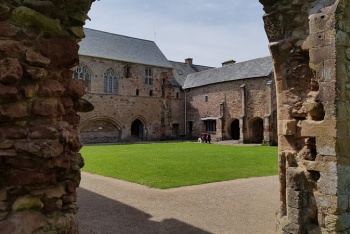
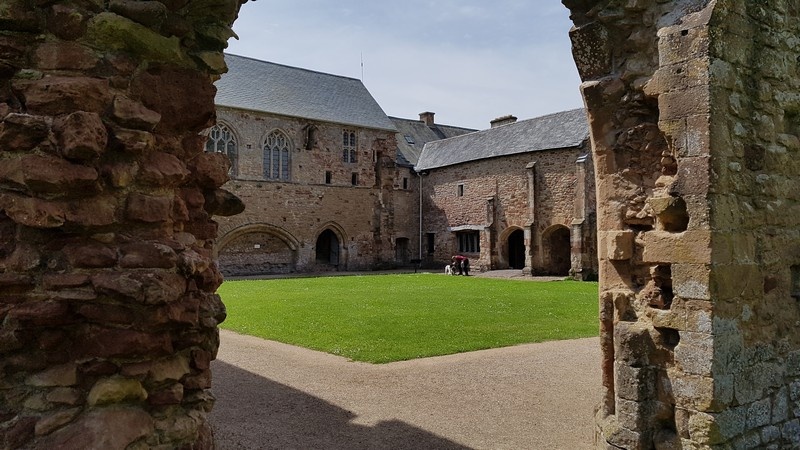
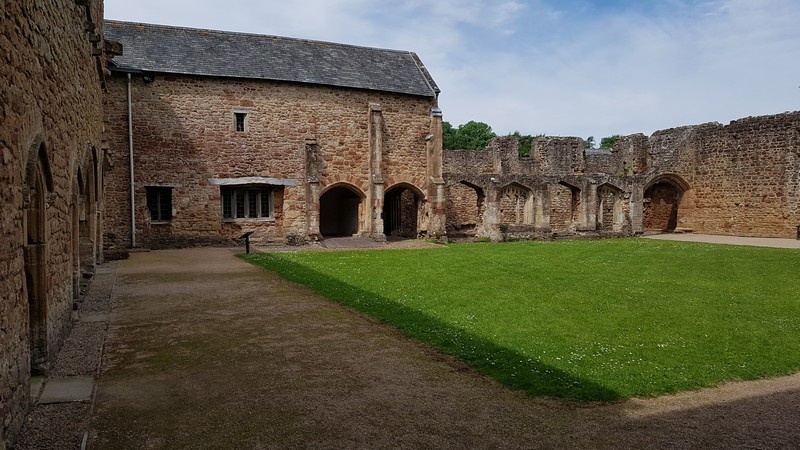
[Main photo: Cleeve Abbey cloister]
‘Some of the best-preserved monastic buildings in England’
Cleeve Abbey is an English Heritage property close to Dunster and Minehead on the eastern side of Exmoor. If you’re exploring nearby National Trust’s Dunster Castle and the many English Heritage sites in that village then we’d recommend continuing to Cleeve Abbey. It’s a wonderful place.
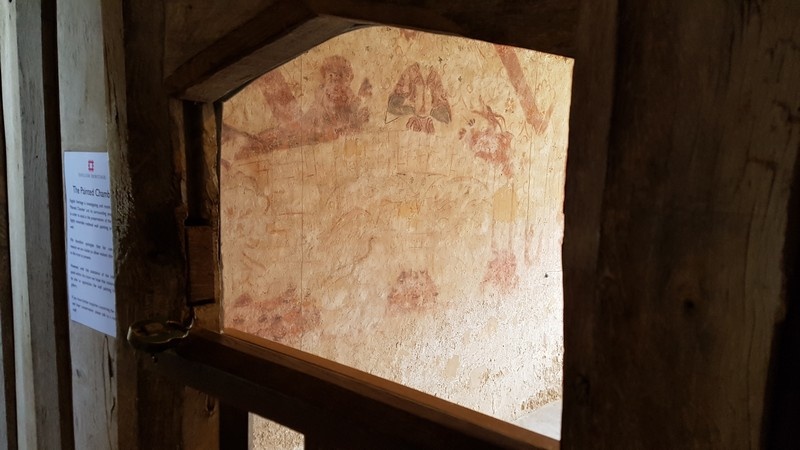
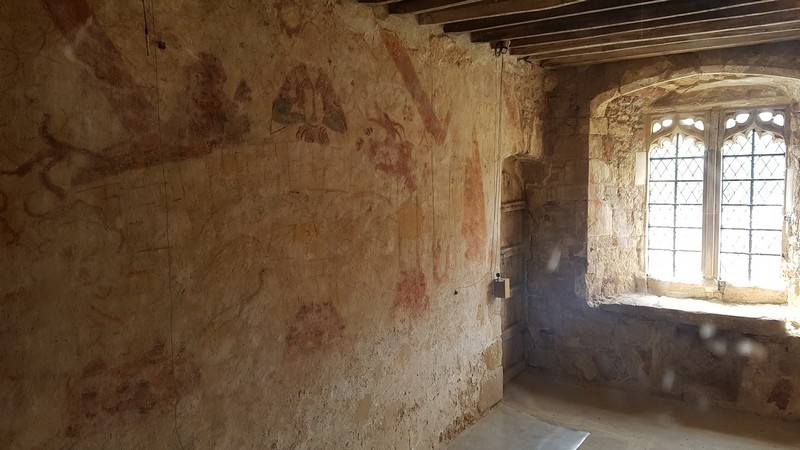
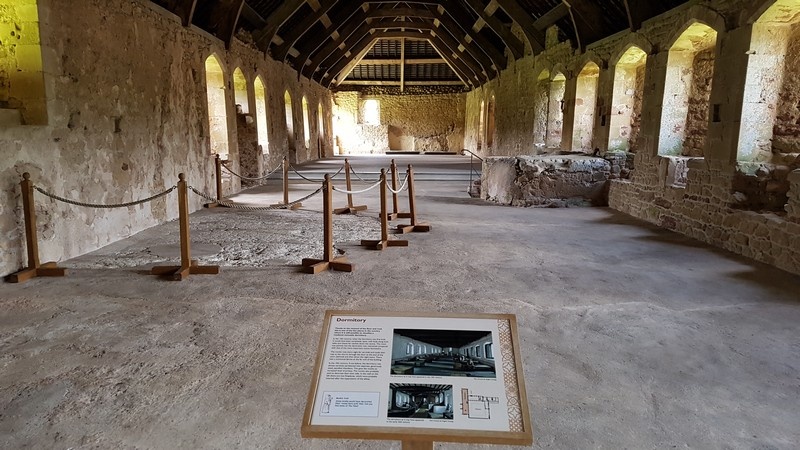
Founded in the late 12th century, Cleeve Abbey has ‘some of the best-preserved monastic buildings in England’ (source: English Heritage guidebook). Highlights include the tile pavement in the first refectory, the painted chamber and the dormitory.
Location of Cleeve Abbey
Cleeve Abbey is located by the eastern border of Exmoor National Park. The Bristol Channel coastline is just north. The Quantock Hills Area of Outstanding Natural Beauty is just to the east.
We’ve positioned Cleeve Abbey on Google maps. Zoom in on the ‘Satellite’ setting to see its location.
Directions to, and parking at, Cleeve Abbey
Drive the A39 to Washford and then follow Abbey Road to the English Heritage property.
There’s a car park on the west side of Abbey Road. You then cross the road and walk through the impressive gatehouse to access the ticket office and shop in the old farmhouse range.
Cleeve Abbey
The Cistercian Cleeve Abbey was established at the end of the 12th century. The abbey expanded over the centuries until the 1536 - 1540 Dissolution of the Monasteries.
‘Although the abbey church was destroyed shortly after the house was suppressed, the cloister survived virtually intact, and many of the remains in the abbey still have traces of their original decoration’ (source: English Heritage guidebook).
The abbey was then converted into a private house. Nearby Dunster Castle’s owners the Luttrell family bought Cleeve Abbey in the 1860s. The abbey was then sold by the Luttrell family in 1949 to pay death duties and taken over by the Ministry of Public Buildings and Works. Cleeve Abbey became an English Heritage property in 1984.
Cleeve Abbey points of interest
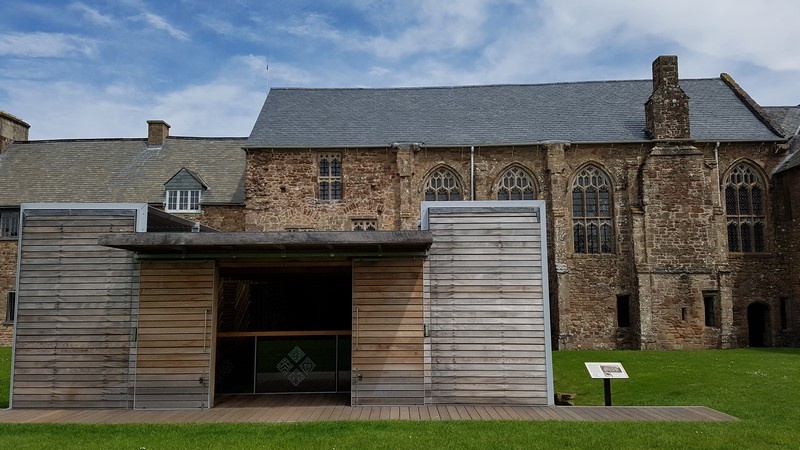
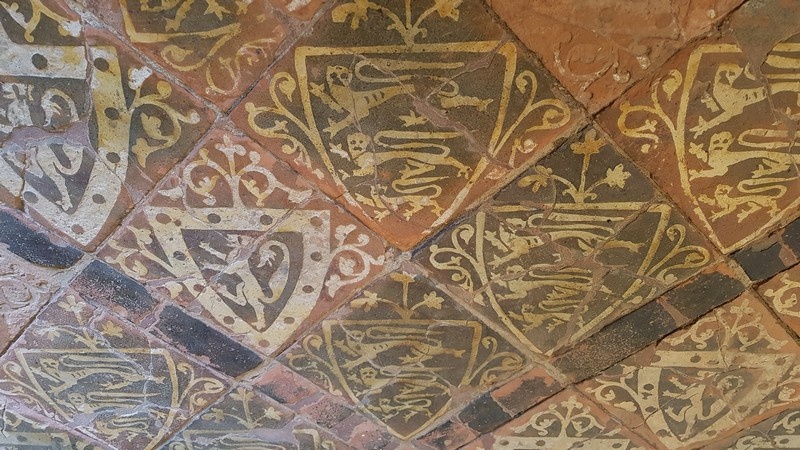
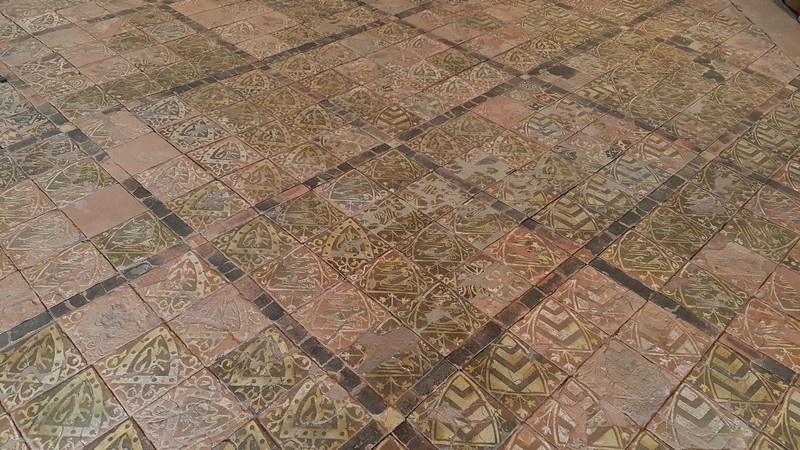
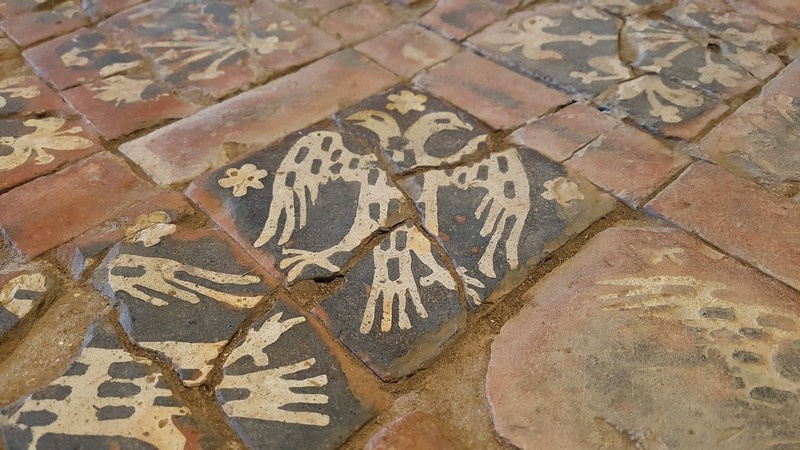
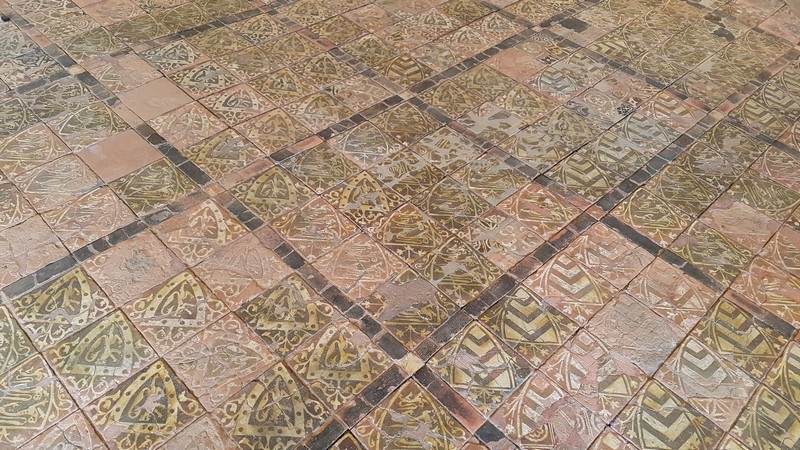
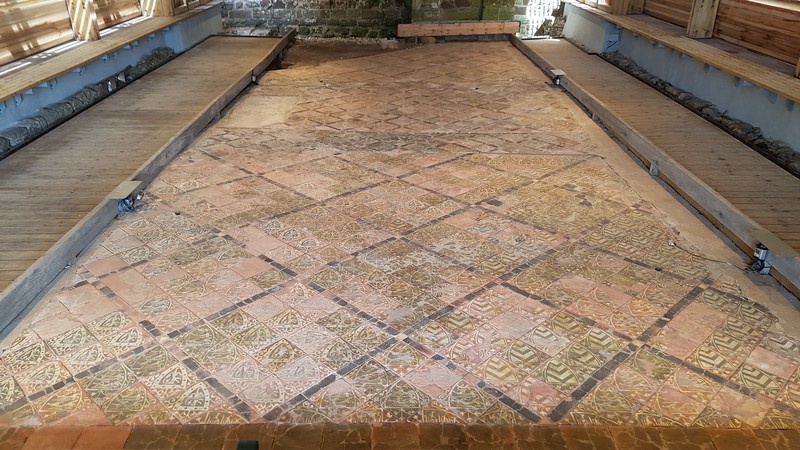
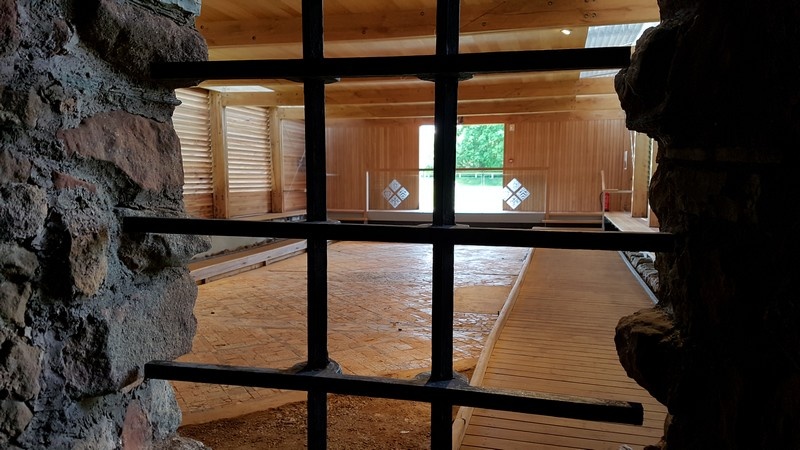
Tile pavement in the first refectory. Head around to the back of the abbey to see the famous tile pavement in a modern extension. There’s a viewing platform and information boards. ‘Decked from end to end with high-quality heraldic tiles dating from around 1270, it’s the only large-scale survival of a decorated medieval monastic refectory floor in Britain’ (source: English Heritage handbook).
The painted chamber. This small room in the upper section of the refectory building is celebrated for its wall paintings.
The dormitory. The dormitory is on the eastern side of the cloister. ‘Few monastic dormitories have survived in anything like this complete state and this room in one of the finest examples left in Britain’ (source: English Heritage guidebook).
See the photo gallery for images of the tile pavement, painted chamber and dormitory.
Other historical and cultural attractions in the Cleeve Abbey area
Remnants of Dunster Priory including Dunster Gardens, Dovecote and Tithe Barn
Dunster Yarn Market, Butter Cross and Gallox Bridge (English Heritage)
Dunster Castle (National Trust)
Coleridge Cottage (National Trust)
Other attractions in the Cleeve Abbey area
Dunster Estate (The Crown Estate)
The beginning/end of the South West Coast Path and the South West Coast Path Start/End Sculpture
Villages and towns in the Cleeve Abbey area
Watchet
Dunster
Minehead
Selworthy
Allerford
Bossington
Porlock
Porlock Weir
Photo Gallery